
Reflective Bible Study

God versus religion: faith, love and trust in God
Reflective Bible Study

Is eternity forever or just for a long time?
Is eternity forever or just for a long time? is a reflective Bible study, focusing on the philosophical and interpretive exploration of the concept of eternity within a Christian context. Here are the key aspects:
Philosophical Inquiry: It delves into a philosophical inquiry about the nature of eternity, time, and human understanding of divine matters.
Biblical Context: The discussion includes biblical references, particularly a passage from Ecclesiastes, to explore the term ‘eternity’ within a biblical framework.
Hebrew Interpretation: It examines the Hebrew word translated as ‘eternity’ and its various interpretations in different Bible translations.
Personal Reflection: The author reflects on their own process of writing and the interruptions that led them to focus on the topic of eternity, indicating a personal and introspective approach.
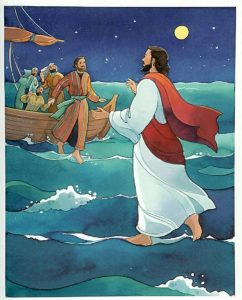
If you want to walk on water … expect a storm
If you want to walk on water … expect a storm is reflective in nature. Here’s a brief summary:
Personal Reflection: The author shares personal experiences and thoughts, particularly relating to the fear and challenge of “walking on water” and facing life’s storms.
Biblical Narrative: It includes a detailed examination of biblical passages, such as the story of Peter walking on water towards Jesus, and draws lessons from these narratives.
Spiritual Insights: The text provides spiritual insights and questions for self-examination, encouraging readers to consider their own faith in the context of the biblical events discussed.
Life Application: While it does touch on practical applications of faith, the primary focus is on introspection and the personal journey of faith in relation to the biblical text and life’s challenges.

Who were the other two men on the crosses?
Who were the other two men on the crosses? is a reflective Bible study. Here’s why:
Personal Reflection: The page encourages personal reflection on the story of the two men crucified alongside Jesus, suggesting that they represent “us” and “everyone who has ever heard the name of Jesus.”
Spiritual Application: It delves into the spiritual application of the crucifixion narrative, prompting readers to consider which of the two men they relate to and how it applies to their own faith journey.
Scriptural Analysis: The study includes an analysis of various Gospel accounts and translations, examining the Greek and Hebrew words used to describe the two men.
Theological Discussion: It engages in theological discussion about the nature of sin, forgiveness, and salvation, which are central themes in reflective Bible studies.
The page does not follow a strict inductive method (observation, interpretation, application) or focus solely on topical or application-based study. Instead, it intertwines personal introspection with scriptural examination.

After you have suffered a little while

God is our refuge and strength

Man shall not live on bread alone — True or False?

Apart from me you can do nothing

Do not be afraid because of them! But who is “them”?
Said by both Moses and Jesus